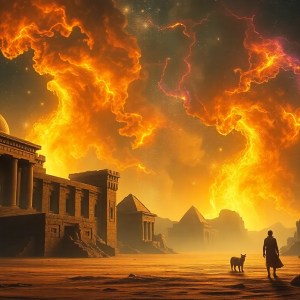
The Role of the Underworld in the Atrahasis Epic
I. Introduction
The Atrahasis Epic is a significant piece of ancient Mesopotamian literature, detailing the creation of humanity and the relationship between gods and mortals. This epic not only narrates the story of Atrahasis, a wise man chosen by the gods, but also delves into profound themes such as mortality, divine intervention, and the consequences of human actions. Central to these themes is the concept of the Underworld, a realm that plays a crucial role in the narrative and the broader framework of Mesopotamian mythology.
The Underworld, often referred to as Kur, serves as a vital aspect of the Mesopotamian understanding of life, death, and the afterlife. This article aims to explore the Underworld’s significance within the Atrahasis Epic, examining its representation, the cultural beliefs surrounding it, and its implications for human existence.
II. The Concept of the Underworld in Mesopotamian Belief
A. Description of the Underworld (Kur)
The Underworld in Mesopotamian belief, known as Kur, is depicted as a dark and dreary place where souls go after death. It is often described in contrast to the heavens, symbolizing the end of life and the ultimate fate of all mortals. Kur is not merely a location but a state of existence that embodies the finality of death.
B. Deities associated with the Underworld
Several deities are connected to the Underworld, each playing specific roles in the afterlife journey:
- Ereshkigal: The queen of the Underworld, she governs the deceased souls and oversees the realm.
- Nergal: A god of war and the Underworld, he is often associated with disease and death.
- Dumuzi: A deity whose story involves a journey to the Underworld, highlighting themes of rebirth and seasonal cycles.
C. Cultural perceptions of life after death
In Mesopotamian culture, the afterlife was viewed with a mix of fear and reverence. The fate of the soul was believed to depend on one’s actions during life. The Underworld was not a paradise but rather a shadowy existence, where the dead were thought to eat dust and drink from the river of forgetfulness. This perception shaped the rituals and practices surrounding death and burial, emphasizing the importance of proper rites to ensure a peaceful passage to Kur.
III. The Underworld’s Role in the Atrahasis Epic
A. Summary of the Atrahasis narrative
The Atrahasis Epic recounts the creation of humanity by the gods, the subsequent overpopulation and noise created by humans, and the divine decision to send a flood to reduce their numbers. Atrahasis, a wise man, is warned by the god Ea and builds an ark to survive the deluge. After the flood, he becomes a mediator between gods and humans, underscoring his importance in the divine plan.
B. Introduction of the Underworld in the story
The Underworld is introduced in the epic as a place where the souls of humans reside after death. It serves as a reminder of mortality and the inevitability of death, even for those who survive the flood. The Underworld’s presence adds depth to the narrative, creating a sense of urgency and consequence for human actions.
C. Key events leading to the Underworld’s significance
Several key events in the Atrahasis Epic highlight the significance of the Underworld:
- The creation of humans, who are meant to serve the gods but ultimately create chaos.
- The gods’ decision to send the flood as a response to the noise and overpopulation, showcasing their control over life and death.
- Atrahasis’s survival and his subsequent role in appeasing the gods, emphasizing the cyclical nature of life and death.
IV. The Underworld and Mortality
A. The relationship between humans and divine beings
The relationship between humans and divine beings is central to the Atrahasis Epic. The gods create humans to relieve their burdens, yet they become frustrated with their creations. The Underworld serves as a reminder of the fragility of human life and the power of the gods over mortality.
B. The theme of mortality and the human condition
Mortality is a recurring theme in the epic, illustrating the transient nature of human existence. The Underworld symbolizes the ultimate fate that awaits all, regardless of one’s status or achievements in life. This theme resonates with the human experience, emphasizing the need for humility and respect for the divine.
C. Implications of death and the Underworld in the narrative
The implications of death and the Underworld in the Atrahasis Epic are profound. They serve as a catalyst for the narrative’s events, influencing the actions of both gods and humans. The Underworld becomes a space where the consequences of life choices are realized, reinforcing the moral lessons embedded in the story.
V. The Underworld as a Response to Humanity
A. The gods’ perspective on human overpopulation and noise
The gods’ irritation with humanity’s overpopulation and noise leads to a drastic response: the Great Flood. The Underworld represents the consequences of human excess and the gods’ need to restore balance in the cosmos.
B. The Great Flood as a divine intervention
The Great Flood serves as a divine intervention, a means to cleanse the earth of its chaos and bring humanity back to a manageable state. The Underworld becomes a necessary part of this divine plan, ensuring that those who perish find their place in the afterlife.
C. The Underworld’s role in the resolution of divine-human conflict
Ultimately, the Underworld plays a critical role in resolving the conflict between gods and humans. By reducing the human population, the gods reclaim their peace, yet they also acknowledge the need for humanity’s continued existence. This balance is essential for maintaining order in the universe.
VI. Symbolism of the Underworld in the Epic
A. The Underworld as a metaphor for chaos and order
The Underworld serves as a metaphor for the chaos that arises from unrestrained human behavior. It represents the need for order, as the gods seek to control the chaos through divine interventions, including the flood.
B. Representation of the cycle of life and death
In the Atrahasis Epic, the Underworld symbolizes the cyclical nature of life and death. The narrative underscores that death is not an end but a transition, influencing the belief systems surrounding mortality and the afterlife.
C. The Underworld’s interaction with themes of creation and destruction
The Underworld interacts with the themes of creation and destruction throughout the epic. While it signifies the end of life, it also serves as a necessary component for renewal and rebirth, as seen in the aftermath of the flood and the continuation of humanity.
VII. Comparative Analysis with Other Mesopotamian Myths
A. Similarities with the Epic of Gilgamesh
The Atrahasis Epic shares similarities with the Epic of Gilgamesh, particularly in themes of mortality and the quest for immortality. Both epics explore the relationship between humans and the divine, highlighting the inevitability of death and the Underworld’s role in the cycle of life.
B. Differences in the portrayal of the Underworld
While both epics reference the Underworld, the Atrahasis Epic presents it as a consequence of divine action in response to human behavior, whereas the Epic of Gilgamesh emphasizes the personal journey of the hero in confronting mortality.
C. Broader implications for Mesopotamian mythology
The portrayal of the Underworld across these myths reveals broader implications for Mesopotamian beliefs about life, death, and the divine. It illustrates a complex understanding of existence, where the Underworld is an integral aspect of the human experience.
VIII. Conclusion
In conclusion, the Underworld plays a significant role in the Atrahasis Epic, symbolizing the complexities of mortality, divine intervention, and the human condition. It serves as a reminder of the consequences of human actions and the necessity for balance in the cosmos. The themes surrounding the Underworld resonate deeply within Mesopotamian culture, reflecting their beliefs about life and death.
For those interested in exploring more about Mesopotamian mythology and the Underworld,