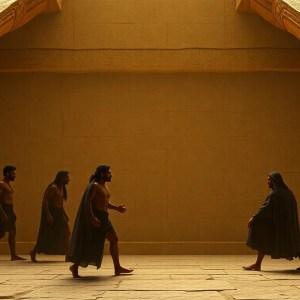
The Atrahasis Epic: A Reflection on the Human Condition
I. Introduction to the Atrahasis Epic
The Atrahasis Epic is one of the most significant literary works from ancient Mesopotamia, offering profound insights into the human condition through its exploration of themes such as creation, suffering, and divine interaction. Dating back to the early 18th century BCE, this Akkadian poem reflects the socio-religious beliefs and practices of its time, serving as a crucial source for understanding ancient Near Eastern mythology.
This text is not only a foundational myth for the Mesopotamian culture but also serves as a mirror reflecting the complexities and struggles of human existence. In this article, we will delve into the various themes presented in the Atrahasis Epic and examine how they resonate with contemporary human experiences.
II. Summary of the Atrahasis Epic
A. Key characters and their roles
- Atrahasis: The central character, a wise man who becomes the intermediary between the gods and humanity.
- The gods: Key deities such as Enlil, the god of the wind and storms, and Ea, the god of water and wisdom, play significant roles in shaping human destiny.

B. Major plot points
- Creation of humanity: The gods create humans to relieve them of their burdens, leading to a complex relationship between the divine and mortals.
- The great flood narrative: Enlil decides to exterminate humanity due to their noise and overpopulation, prompting Ea to warn Atrahasis, who builds a boat to survive.
C. The significance of divine-human interactions
The interactions between Atrahasis and the gods highlight the delicate balance of power and the often fraught relationship between humans and deities. They illustrate the concept of divine will versus human agency, a recurring theme throughout the epic.
III. Themes of Creation and Existence
A. The nature of humanity as crafted by the gods
The Atrahasis Epic presents a unique perspective on the creation of humanity. The gods, particularly Enlil and Ea, are depicted as both creators and overseers, suggesting that humanity is intrinsically tied to the divine. This duality invites reflection on the nature of existence: are humans mere creations destined for servitude, or do they possess inherent value and purpose?
B. Exploration of purpose and mortality
The epic delves into the existential questions surrounding human purpose and the inevitability of mortality. As Atrahasis navigates the challenges posed by the gods, he embodies the struggle of humanity to find meaning in a world governed by divine whims.
C. Symbolism of creation myths in understanding human origins
Creation myths like that of Atrahasis provide a framework for understanding humanity’s origins and our place in the universe. They serve not only as stories of how we came to be but also as reflections of our hopes, fears, and aspirations.
IV. The Role of Suffering and Survival
A. Human suffering in the face of divine will
Throughout the epic, the theme of suffering is prevalent. The gods’ decisions often lead to hardship for humanity, raising questions about the nature of divine justice and the role of suffering in human life.
B. Atrahasis as a symbol of resilience
Atrahasis emerges as a symbol of resilience and ingenuity. His ability to adapt to the challenges posed by the gods showcases the human spirit’s capacity to survive even in dire circumstances.
C. Lessons learned from survival and adaptation
The narrative imparts valuable lessons about survival, emphasizing the importance of adaptability and resourcefulness in the face of adversity. These lessons resonate deeply with the human experience, offering insight into our own struggles and triumphs.
V. The Flood as a Metaphor for Change
A. The flood narrative and its implications for humanity
The great flood serves as a powerful metaphor for change and transformation. It symbolizes the destructive forces of nature and the potential for renewal that follows disaster.
B. Transformation and rebirth: A cycle of destruction and renewal
The cyclical nature of the flood narrative reflects the idea that destruction is often a precursor to rebirth. This theme is not only present in the Atrahasis Epic but is also echoed in various cultural myths around the world.
C. Parallels with other cultural flood myths
- The biblical Noah’s Ark story
- The Hindu tale of Manu and the flood
- Various Indigenous flood myths
These parallels underscore the universal human experience of catastrophe and the hope for renewal that follows.
VI. Divine Intervention and Human Agency
A. The balance between fate and free will
The Atrahasis Epic raises important questions about fate and free will. While the gods exert significant control over human lives, Atrahasis’s actions demonstrate that humans also possess agency and the ability to influence their destinies.
B. Human responses to divine challenges
Atrahasis’s responses to divine challenges illustrate the importance of human agency in navigating the complexities of life. His decisions reflect a balance between submission to divine will and the assertion of individual choice.
C. Implications for understanding morality and ethics
The interplay of divine intervention and human agency in the epic prompts deeper reflections on morality and ethics. It challenges readers to consider how much control we have over our lives and the moral responsibilities that come with such agency.
VII. The Legacy of the Atrahasis Epic
A. Influence on later texts and mythologies
The Atrahasis Epic has had a profound influence on later literary works and mythologies, including the Hebrew Bible and other ancient Near Eastern texts. Its themes and narratives continue to resonate throughout history.
B. The Atrahasis Epic in modern interpretations
Modern interpretations of the Atrahasis Epic often explore its themes in the context of contemporary issues such as environmentalism, social justice, and the human experience. These reinterpretations showcase the text’s enduring relevance.
C. Relevance of the epic to contemporary discussions on humanity
The lessons and themes of the Atrahasis Epic remain pertinent today as we grapple with challenges such as climate change, societal upheaval, and the search for meaning in an increasingly complex world.
VIII. Conclusion: Reflections on the Human Condition
A. Summary of key insights from the Atrahasis Epic
The Atrahasis Epic offers rich insights into the human condition, exploring themes of creation, suffering, resilience, and the balance of fate and free will. The narrative encourages reflection on our origins and our place within the cosmos.
B. The enduring relevance of ancient myths in understanding human experiences
Ancient myths like the Atrahasis Epic remain relevant as they address fundamental human questions and concerns. They provide a lens through which we can examine our lives, our relationships with the divine, and our responsibilities to each other and the world.
C. Call to explore further connections between mythology and modern life
As we continue to navigate the complexities of modern existence, exploring the connections between ancient myths and contemporary life can enrich our understanding of ourselves and the world around us. The Atrahasis Epic stands as a testament to the enduring power of storytelling in reflecting the human experience.